Shop Feature: JDM of San Diego
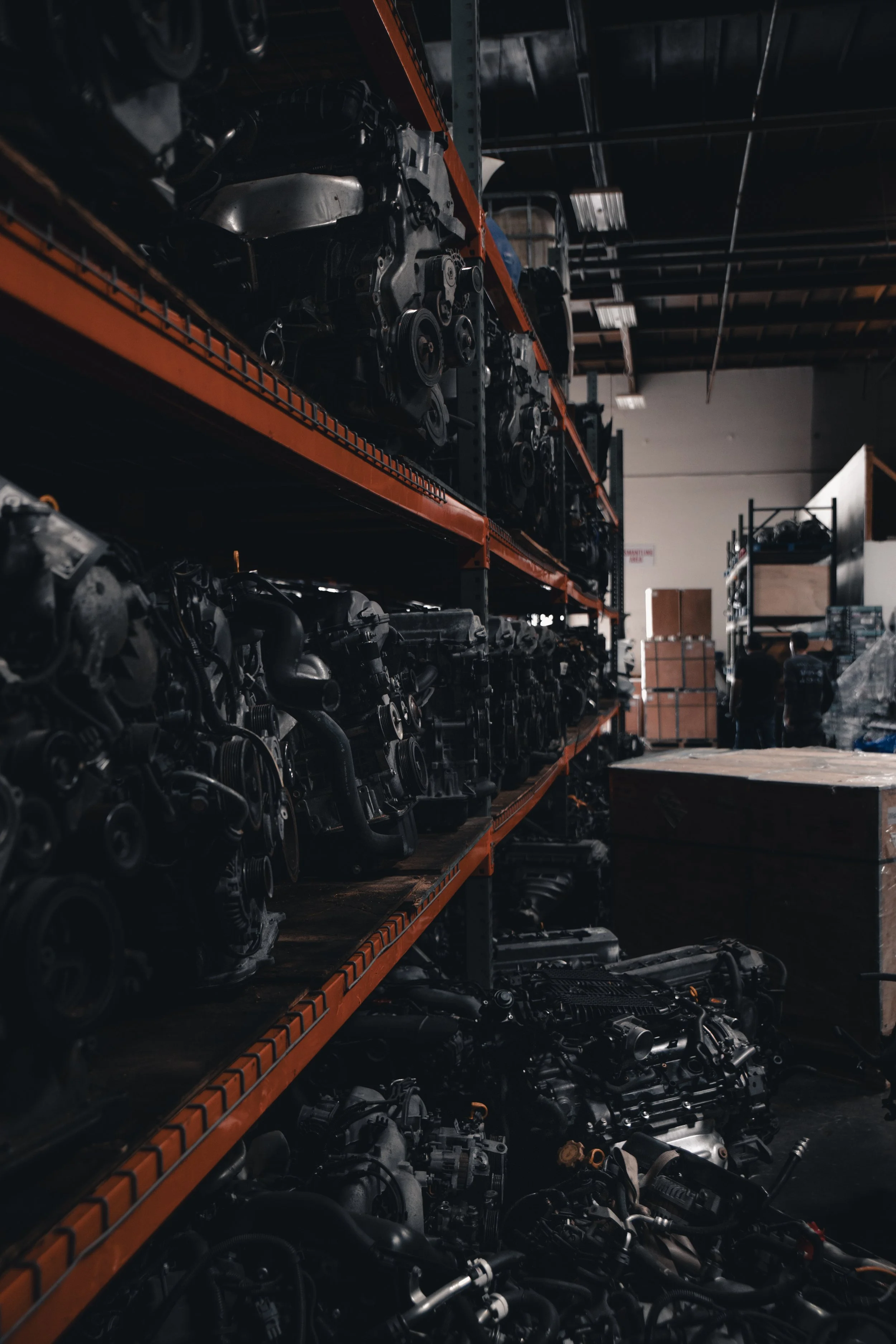
JDM of San Diego is a local importer focused on supplying low-mileage Japanese engines and transmissions to enthusiasts, repair shops, and builders throughout Southern California and beyond.
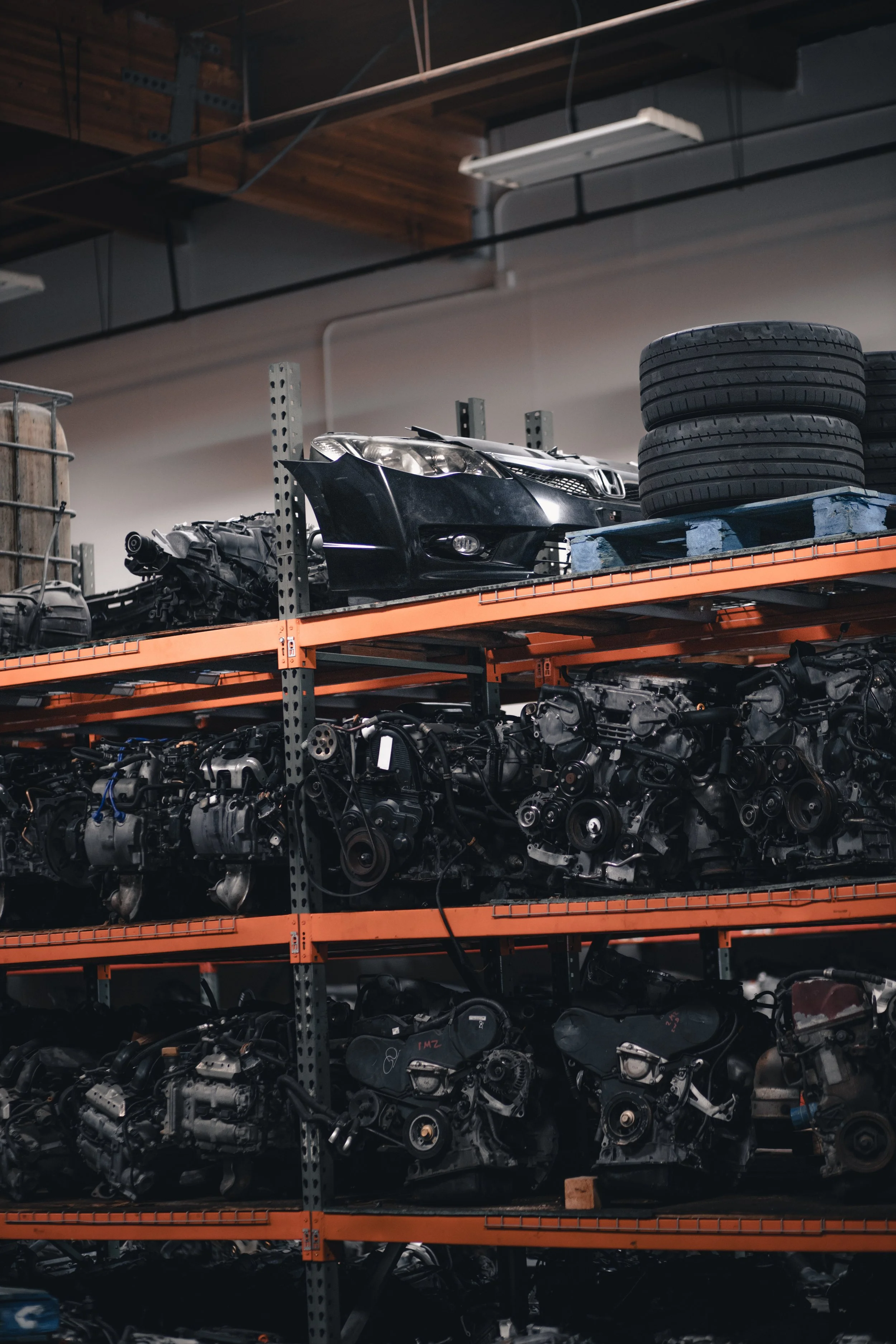
While many enthusiasts think of importers as places that bring in full cars or rare body parts, the reality is more focused. Today, the shop concentrates almost entirely on complete engine and transmission assemblies, maintaining in-warehouse inventory and fast shipping times.
During the visit, we spoke with Jay from the warehouse team, who walked through how the import market has changed, what customers misunderstand about swaps, and why the business has shifted away from whole-car imports.
How the Business Has Evolved
The shop originally imported:
Complete vehicles
Front clips
Seats, wheels, and accessories
Miscellaneous components
But over time, market demand and logistics reshaped operations.
Key reasons for the shift:
Limited warehouse space for complete vehicles
Increased ability for individuals to import cars themselves due to the 25-year import rule
Rising global parts pricing after COVID
Higher demand specifically for drivetrain replacements
Today, the business is centered on engine and transmission supply only
Primary Platforms They Import
Most engines sourced and stocked come from major Japanese manufacturers:
Toyota
Nissan
Mitsubishi
Mazda
Subaru
These are typically factory engines removed from Japanese-market vehicles.
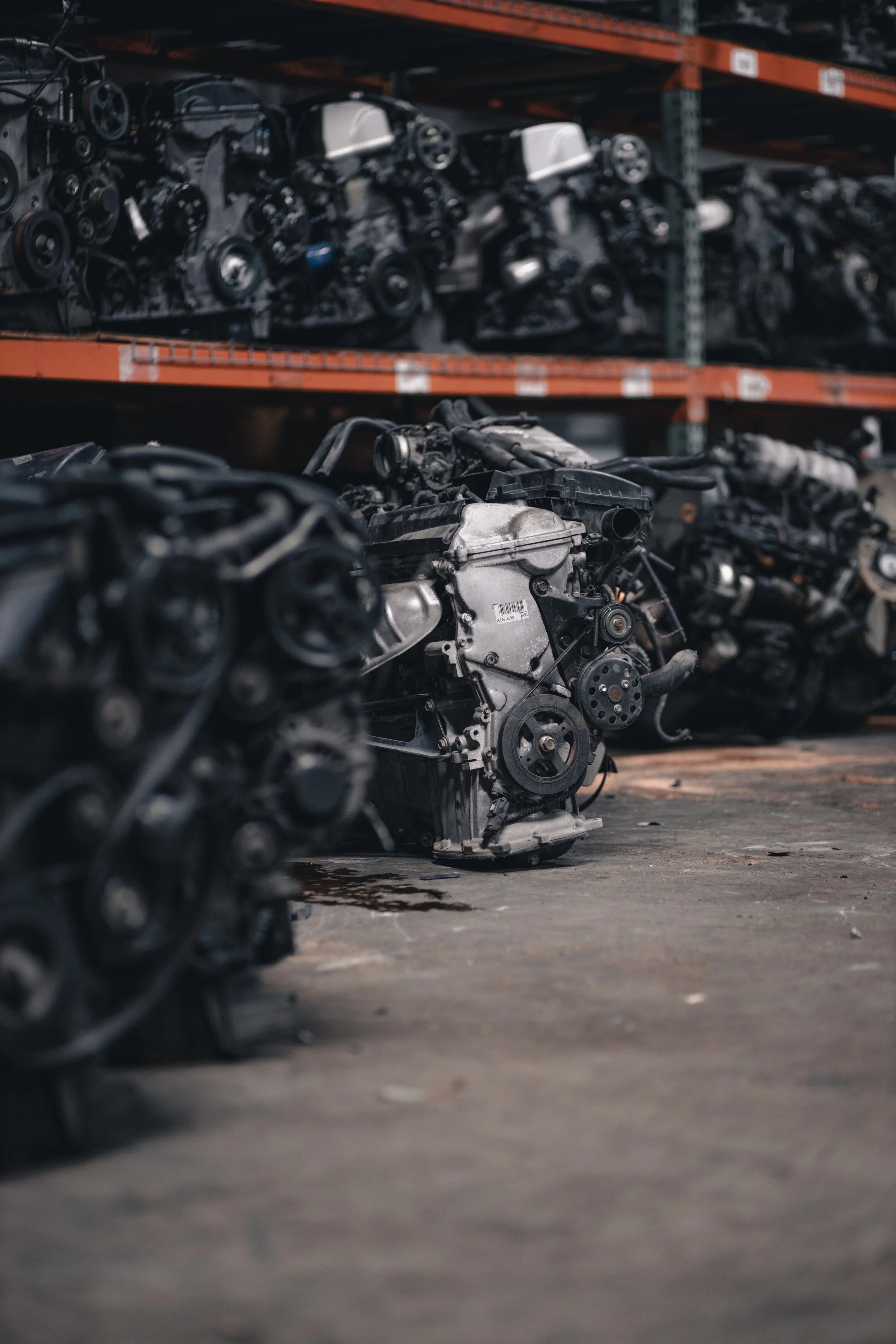
Why Imported Engines Matter
One of the biggest advantages of Japanese domestic market engines is lower average mileage.
Many imported units:
Often have under 100,000 kilometers
Come from markets with shorter driving distances
Experience less long-distance commuting than U.S. vehicles
For buyers, that often means more usable engine life remaining compared to high-mileage domestic equivalents.
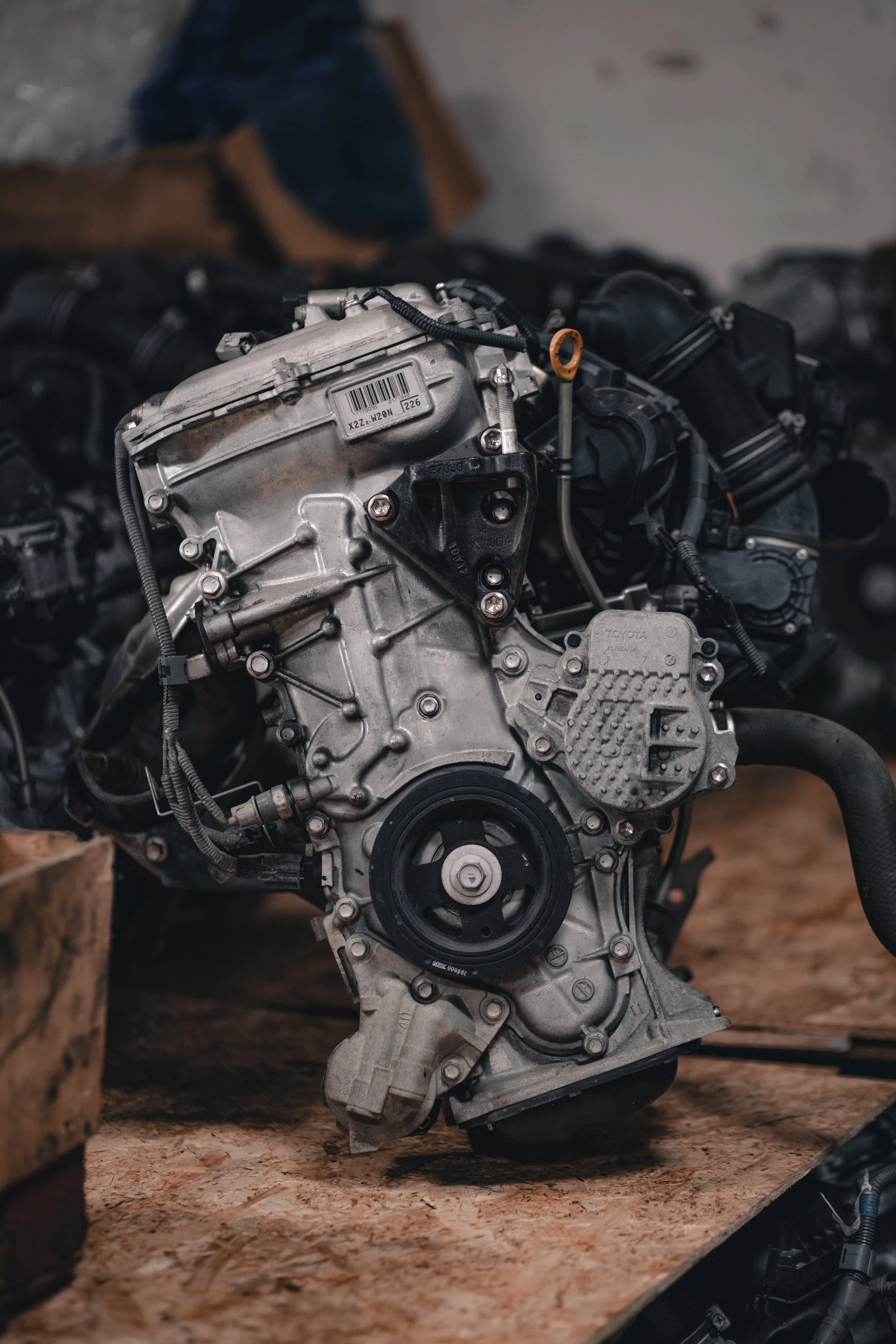
What People Don’t Understand About Engine Swaps
A common misconception is that an imported engine simply drops in and runs. In California, that’s rarely the case.
Key realities:
Smog compliance may require component changes
Emissions equipment often must be adapted or replaced
Installation cost varies by shop
Some swaps are straightforward — others require full custom work
Example difference:
Replacing an engine with the same platform often allows reuse of many existing components
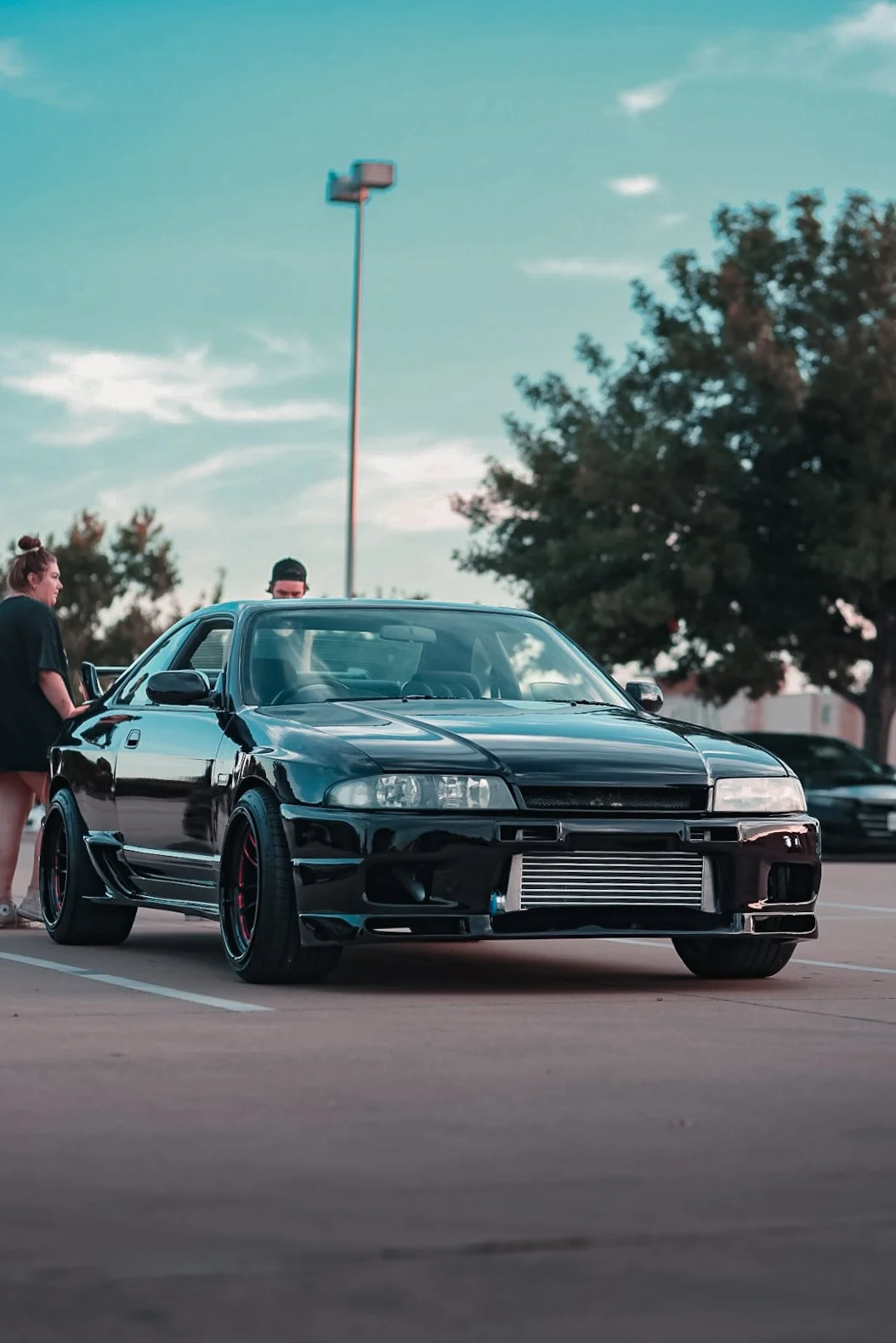
Cross-platform swaps (like installing a different engine in a Skyline) require fabrication and custom integration
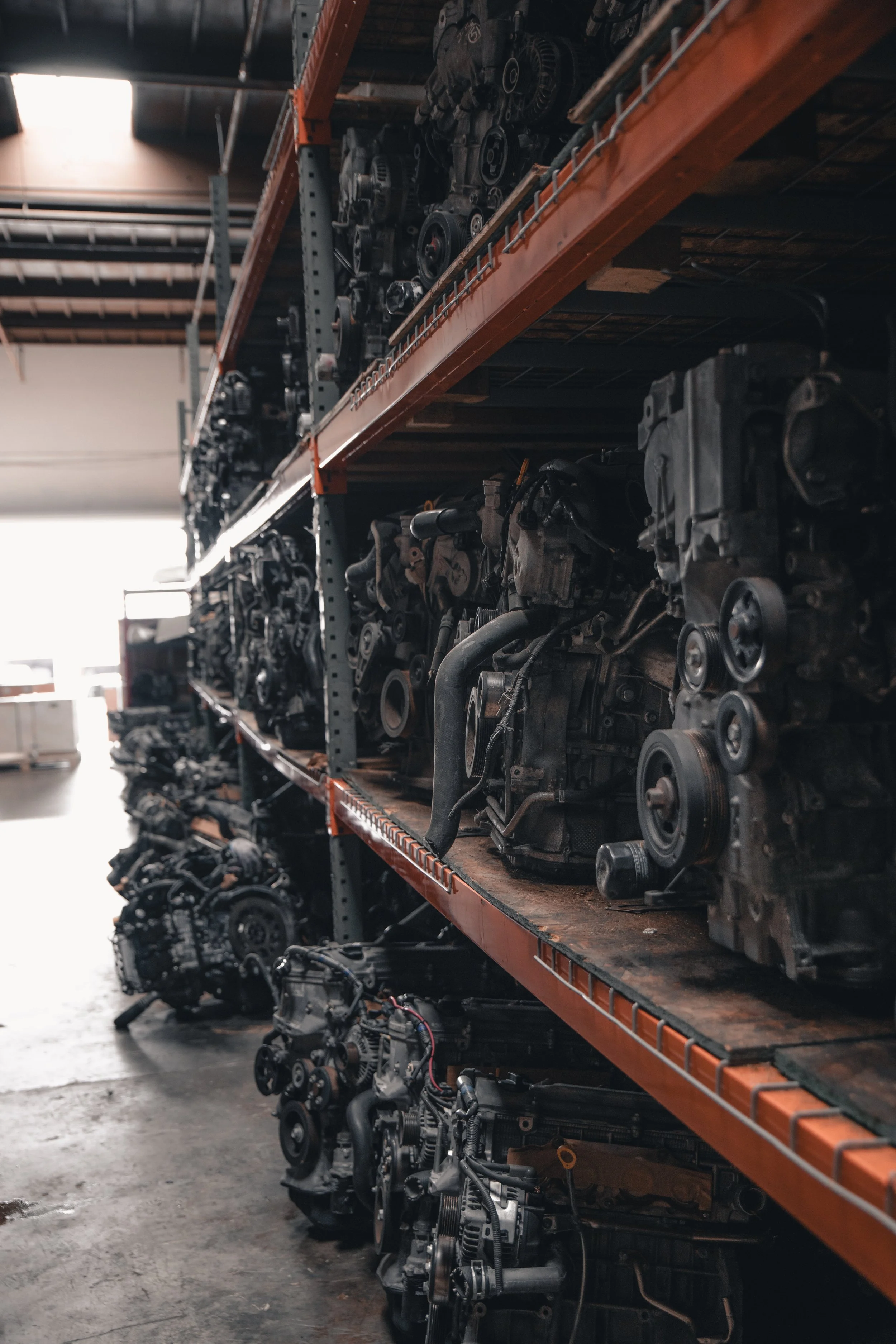
Installation Timeline & Shipping
Turnaround times are typically faster than many buyers expect.
Installation time:
Usually 1–5 days depending on the shop
Shipping time:
1–2 days within California
About 5 business days cross-country
Local service:
San Diego delivery available
Los Angeles shipments common, though competition is heavier near the port
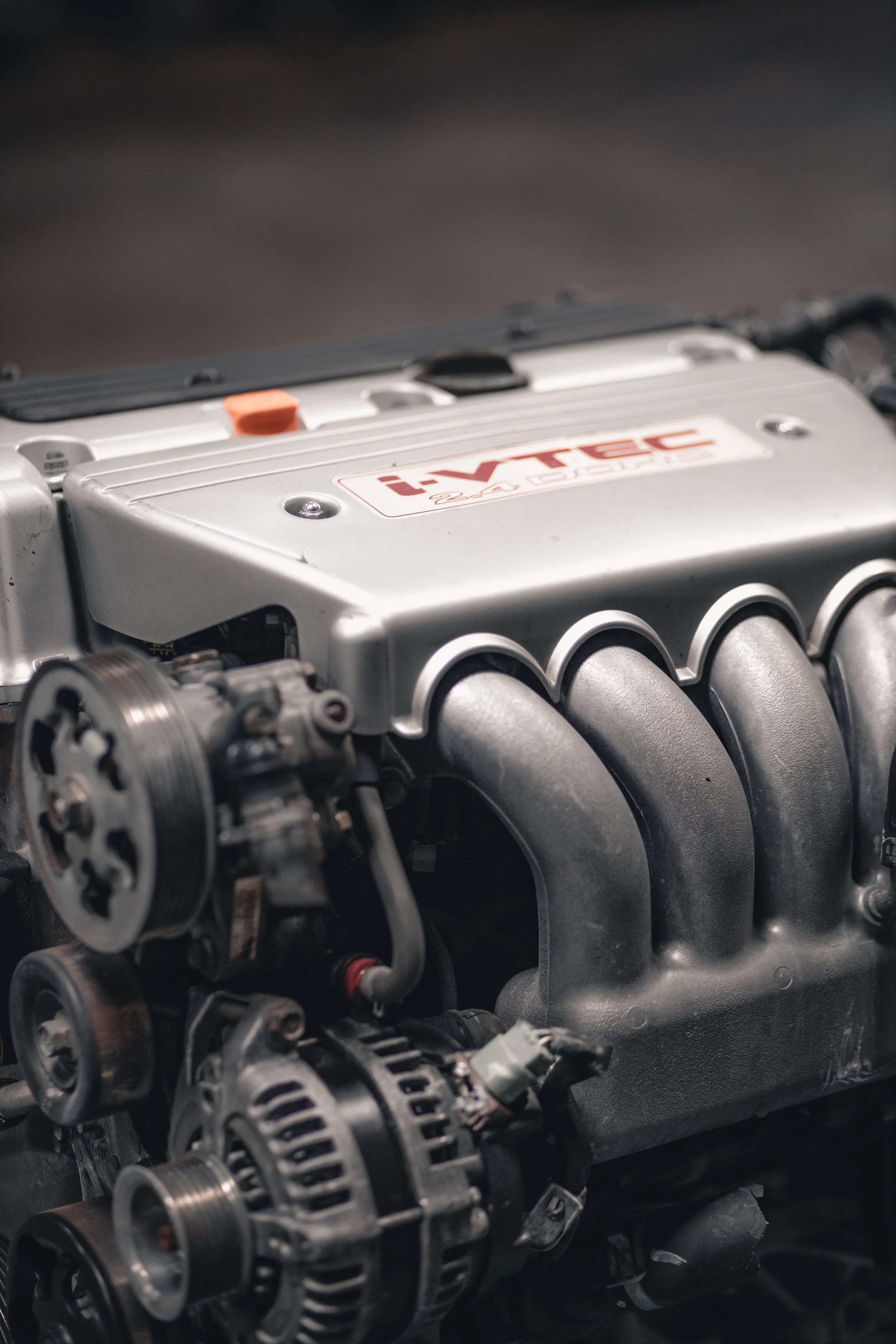
Partner Shops & Referrals
The shop does not install engines directly but provides referrals to trusted installers.
A commonly recommended partner for Honda work:
Honda Plus (San Diego)
This referral model allows the importer to focus on sourcing and logistics while local shops handle mechanical installation.
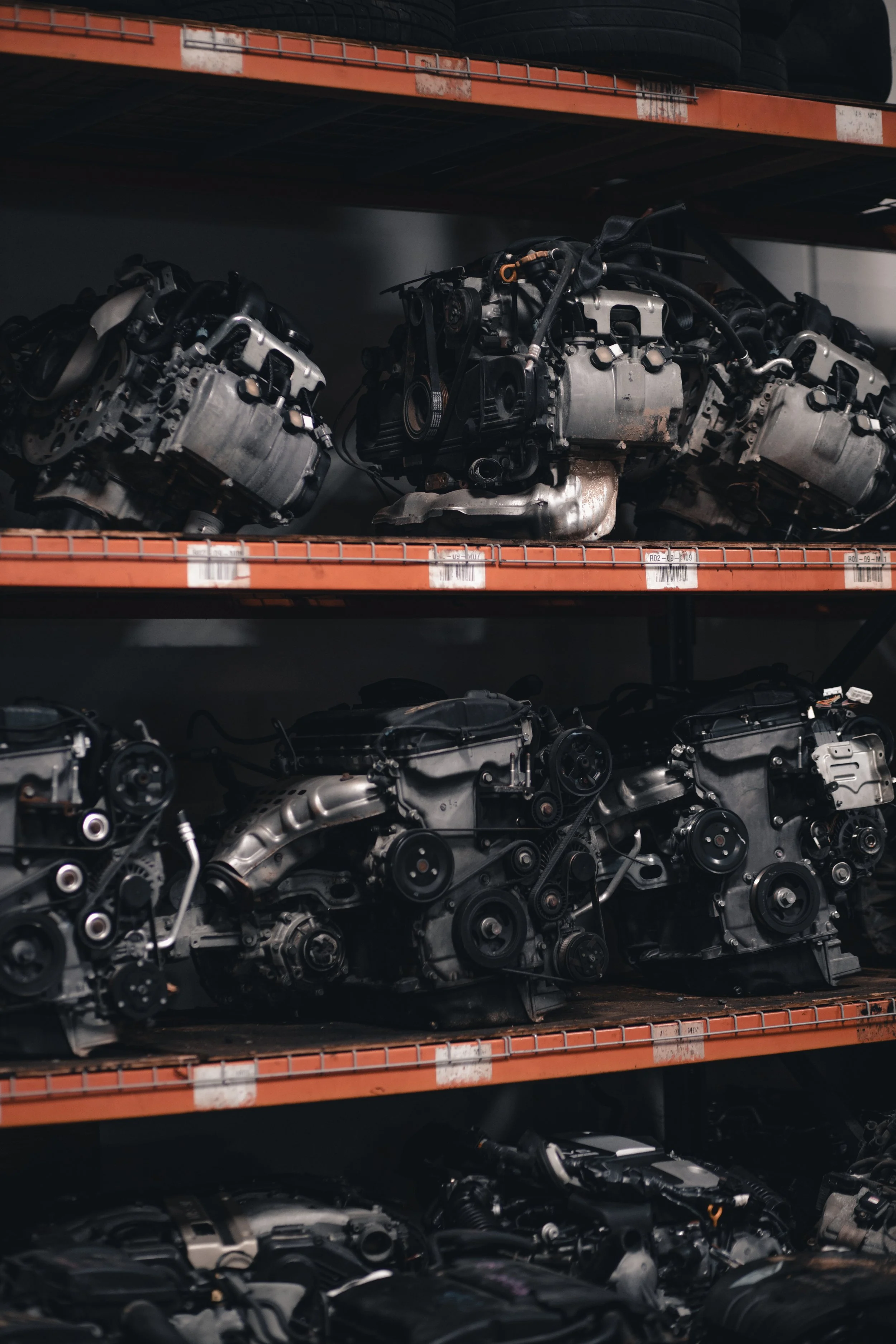
Market Trends They’re Seeing
The drivetrain market has shifted dramatically in recent years.
Major trends include:
Sharp price increases on performance engines
Reduced availability of non-drivetrain import parts
Growing popularity of LS swaps for drifting and drag builds
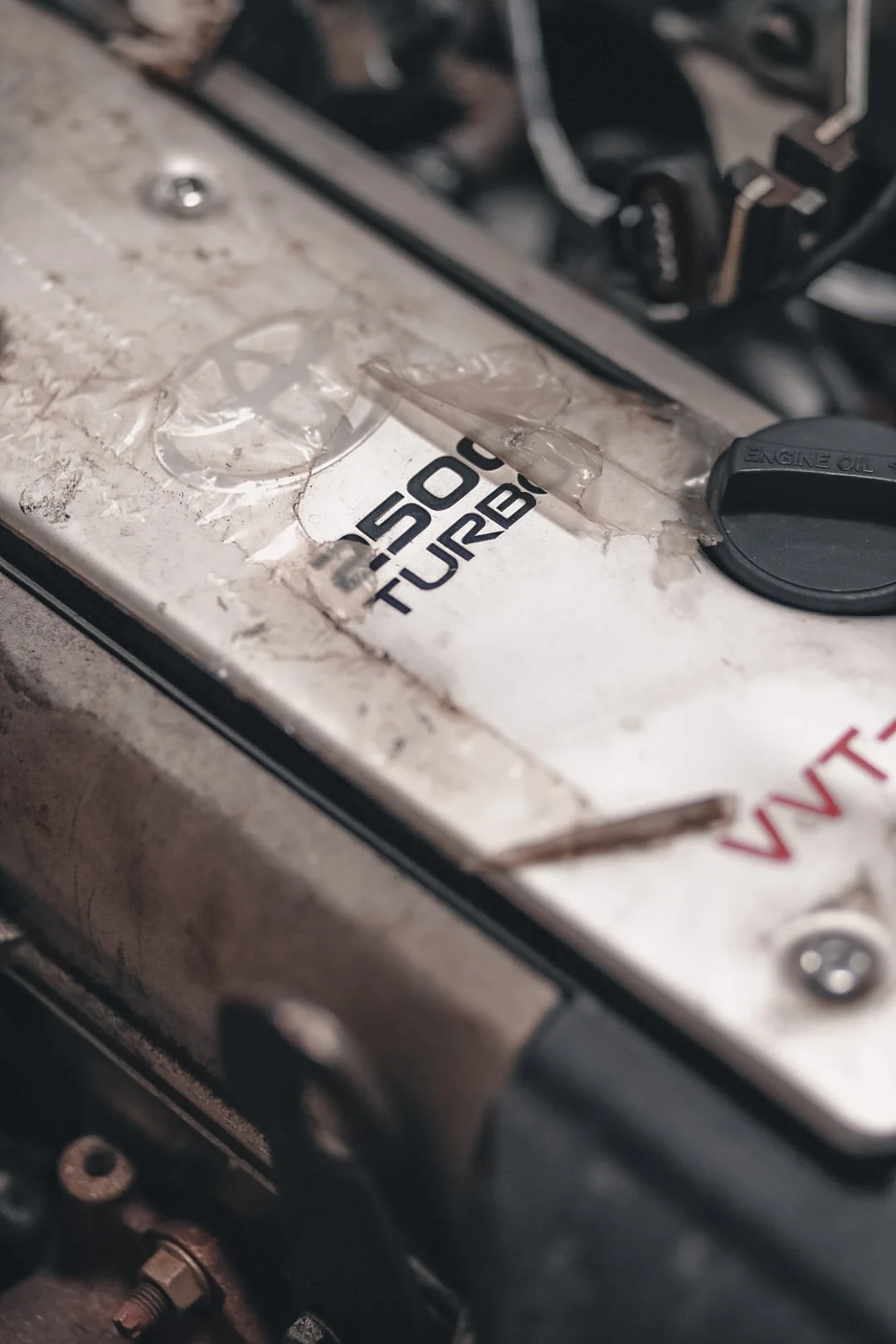
Rising costs for iconic engines like the 2JZ
Enthusiasts choosing cost-effective alternatives to high-end Japanese motors
Post-COVID pricing changes alone reshaped demand patterns significantly.
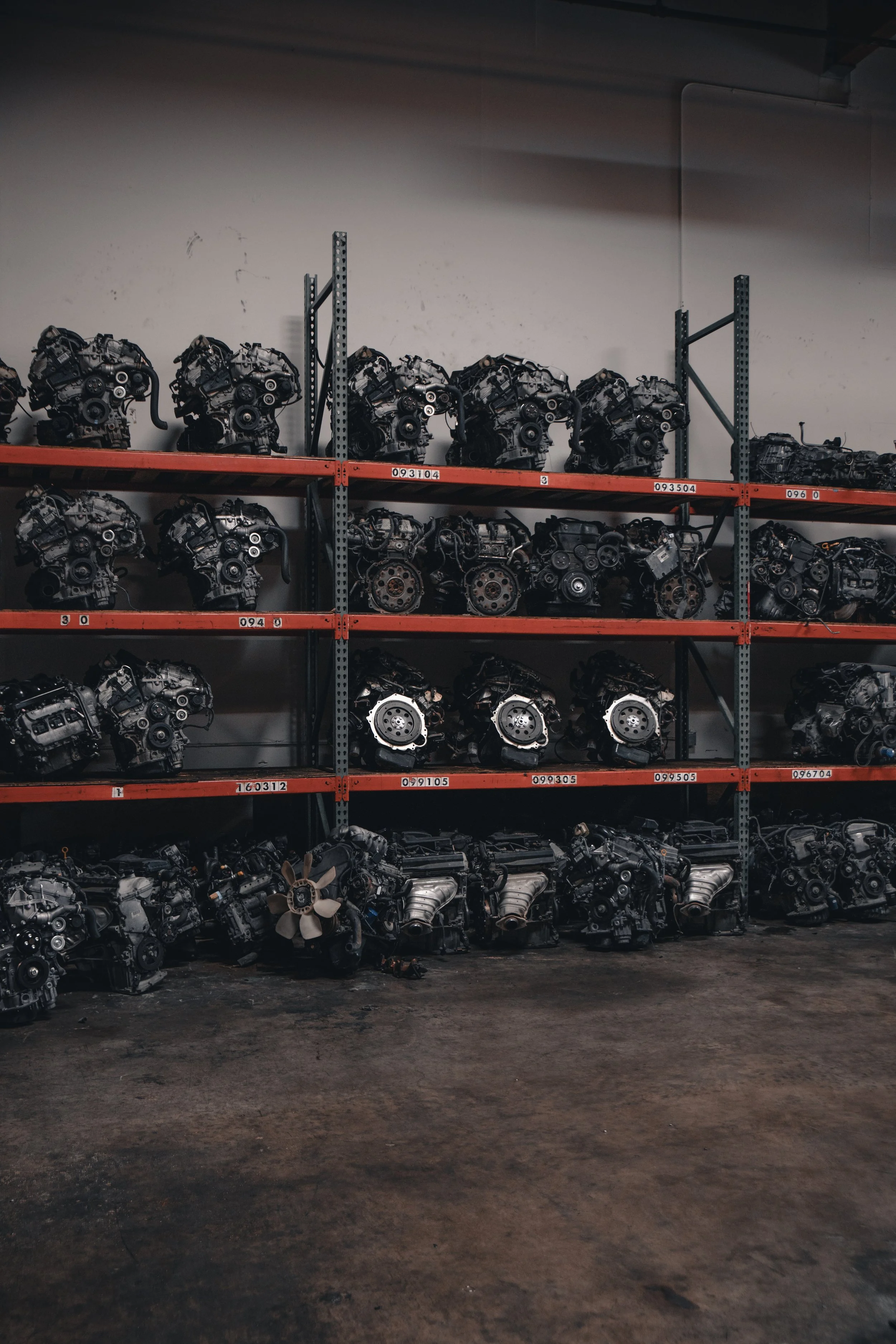
Inventory & Operations
Unlike some importers that operate primarily by order, this shop maintains significant in-warehouse inventory, allowing fast fulfillment and shipping.
Engines can often be shipped:
Same day
Next day within nearby regions
Within the same week nationwide
That operational speed is a major differentiator for buyers working on time-sensitive builds or repairs.
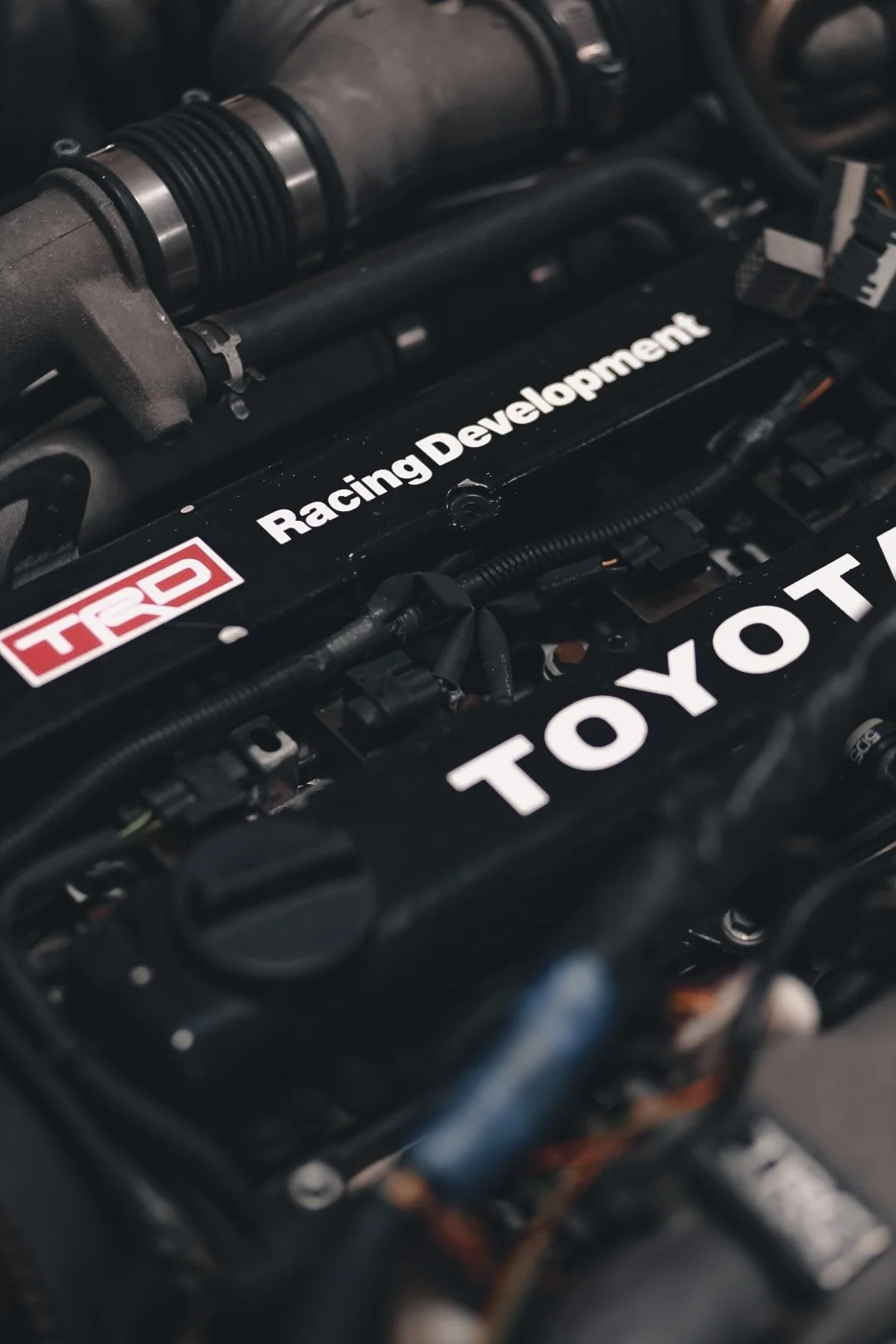
The Future of the Import Market
The team expects continued change in the types of engines available and demanded.
Factors influencing the future:
Increasing hybrid powertrains
Platform differences between Japan and the U.S.
Newer vehicles not always having direct Japanese-market equivalents
Global market pricing shifts
The import landscape will likely continue evolving alongside technology and regulations.
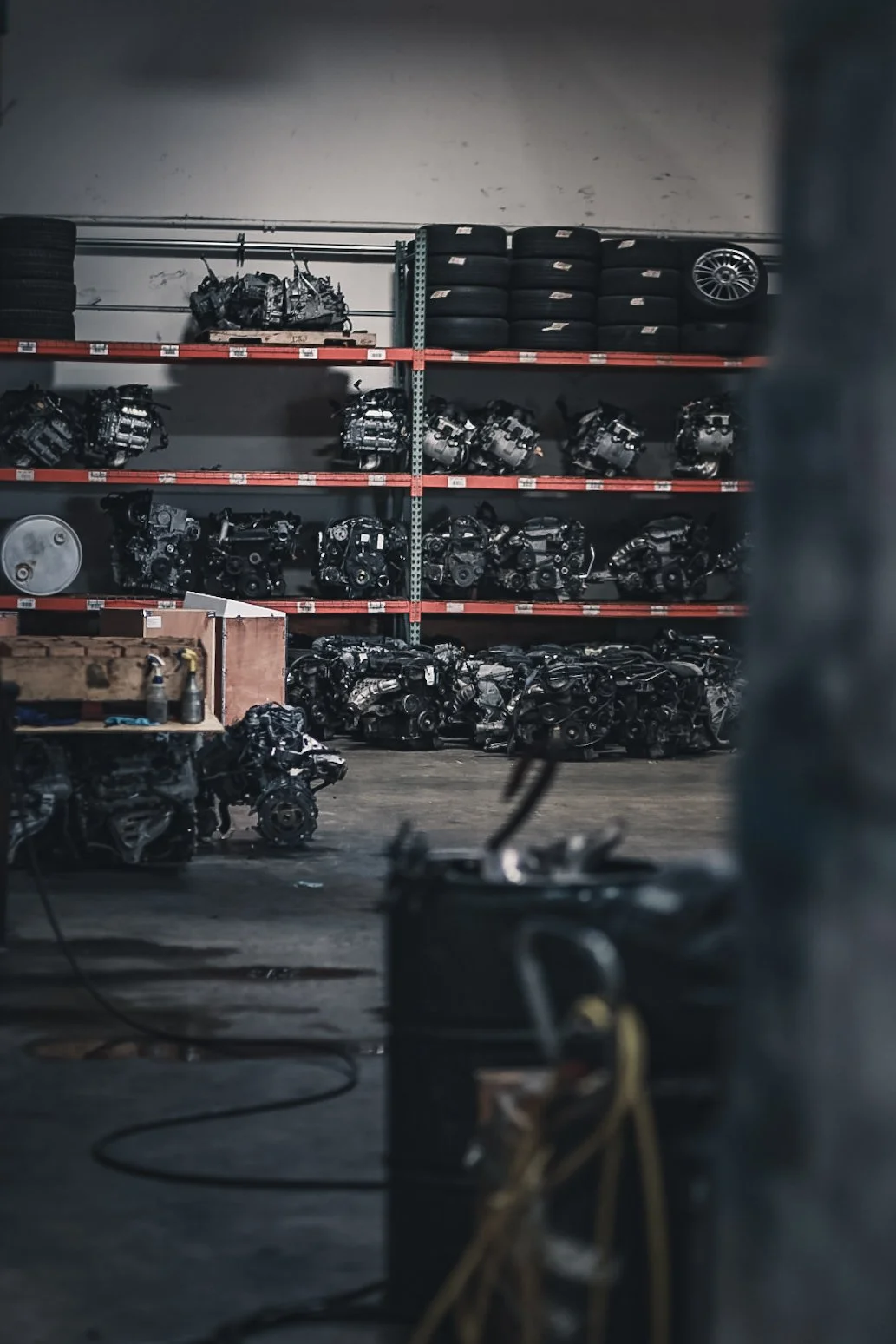
Best Fit For
This shop is ideal if you:
Need a replacement Japanese engine or transmission
Want low-mileage imported powertrains
Are planning a swap or drivetrain refresh
Need fast shipping or local delivery
Want referrals to local installers
Why This Shop Matters to the Local Scene
Importers like this are part of the hidden infrastructure behind many builds.
They supply the core components that keep projects alive — whether it’s a daily driver replacement engine or the foundation of a full performance build.
Most enthusiasts never see this side of the industry, but nearly every swap depends on it.