Performance Specialties: Classic American restoration heritage with full-service capability
Overview
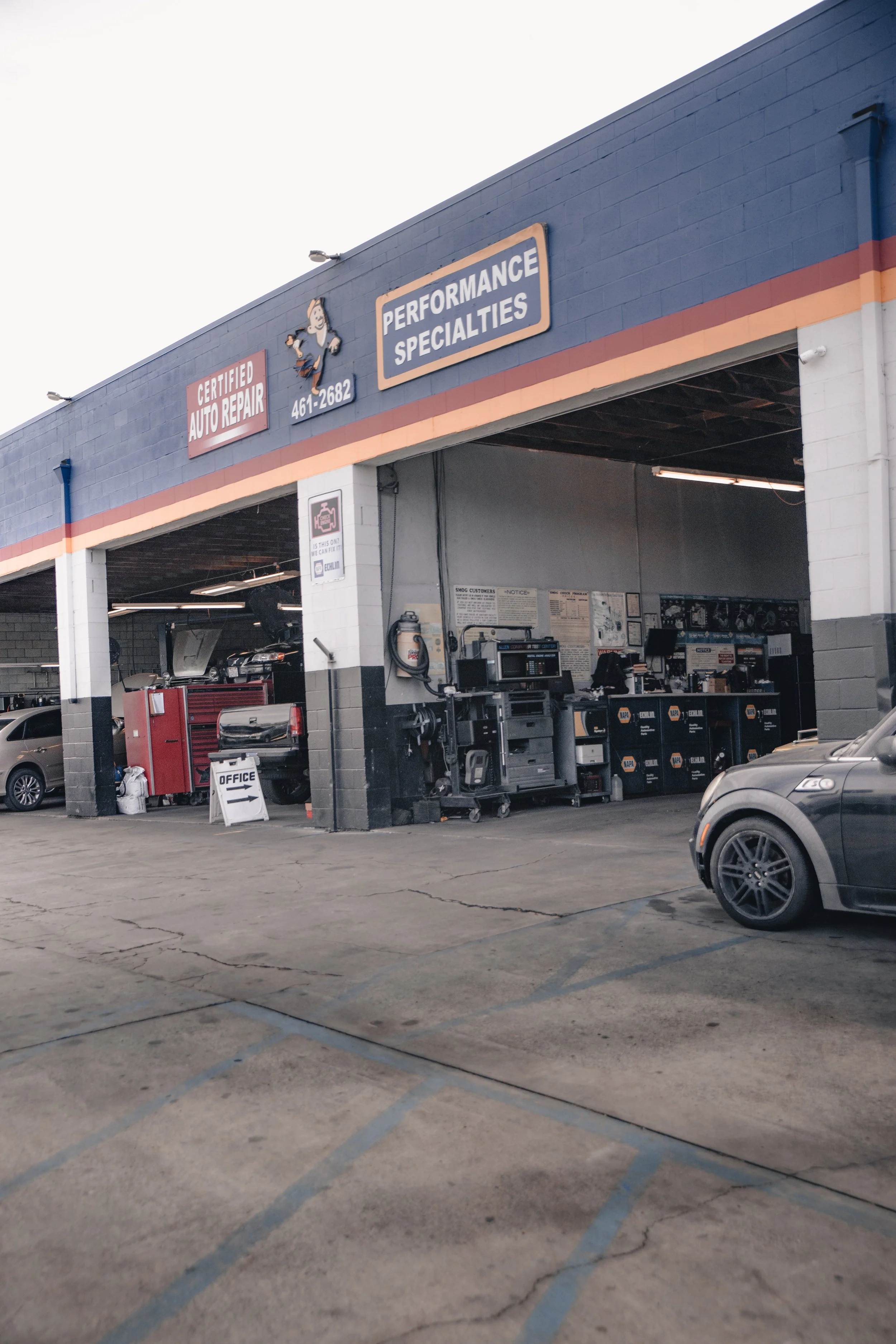
Performance Specialties is a long-standing San Diego automotive shop known for its broad mechanical capabilities and strong reputation in the local community. While the shop works on modern vehicles and routine maintenance, its identity is deeply tied to classic American restoration and long-term vehicle care.
During the visit, we spoke first with shop manager Ed — then unexpectedly had the chance to sit down with the owner as well. What came through clearly is that this is a shop built on longevity, trust, and practical mechanical experience rather than trend-driven performance work.
The team services everything from aging classics to newer daily drivers and approaches each vehicle as a problem to be solved — not a category to be filtered.
Shop Background
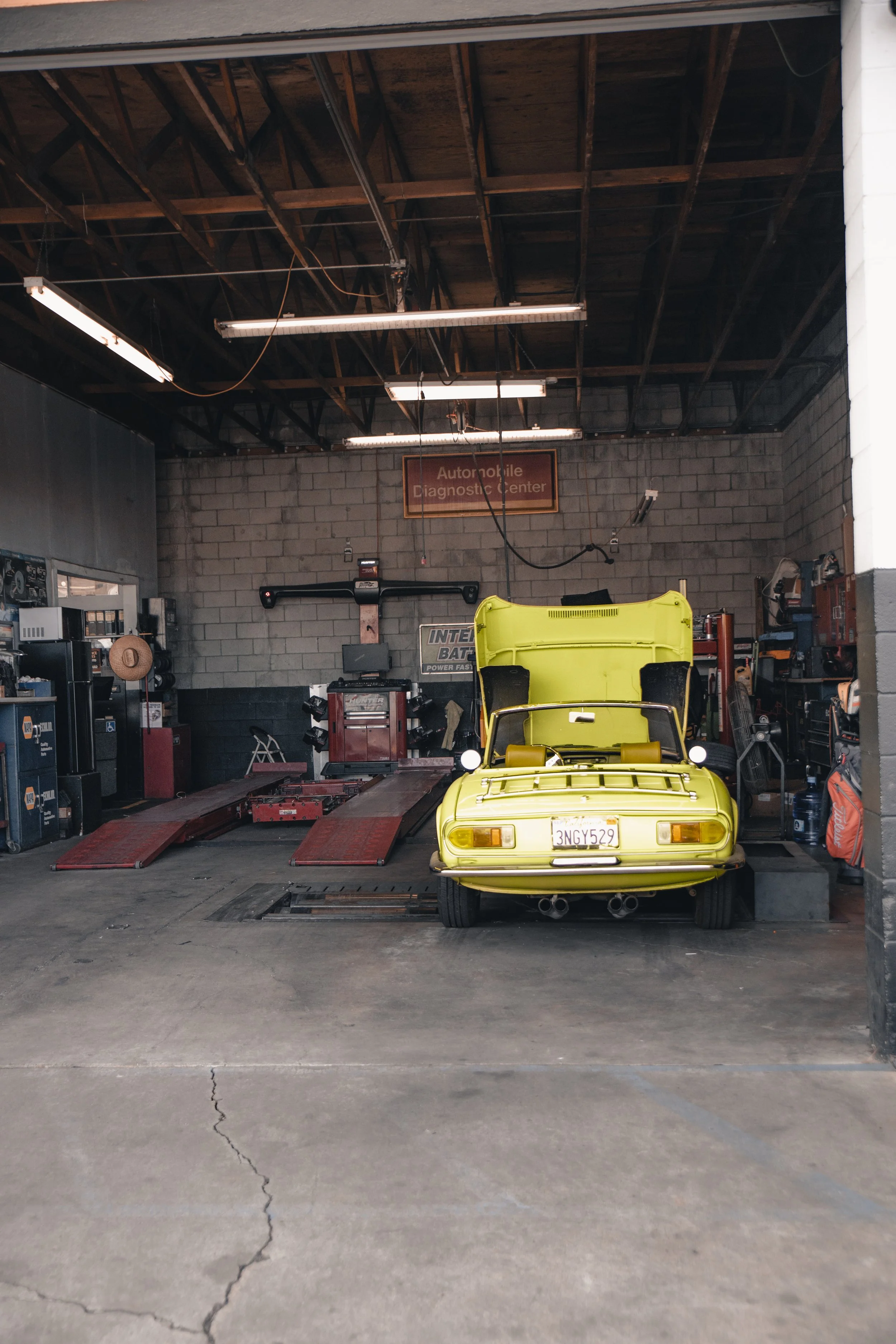
Operating for roughly five decades, now approaching the 52-year mark.
Strong community reputation supported by customer reviews and referrals.
Emphasis on honest service and reasonable pricing, positioned as an alternative to dealership cost structures.
Long employee tenure — Ed has worked with the owner for about 8 years.
This level of continuity shows up in how the shop operates — less transactional, more relationship-based.
What They Work On
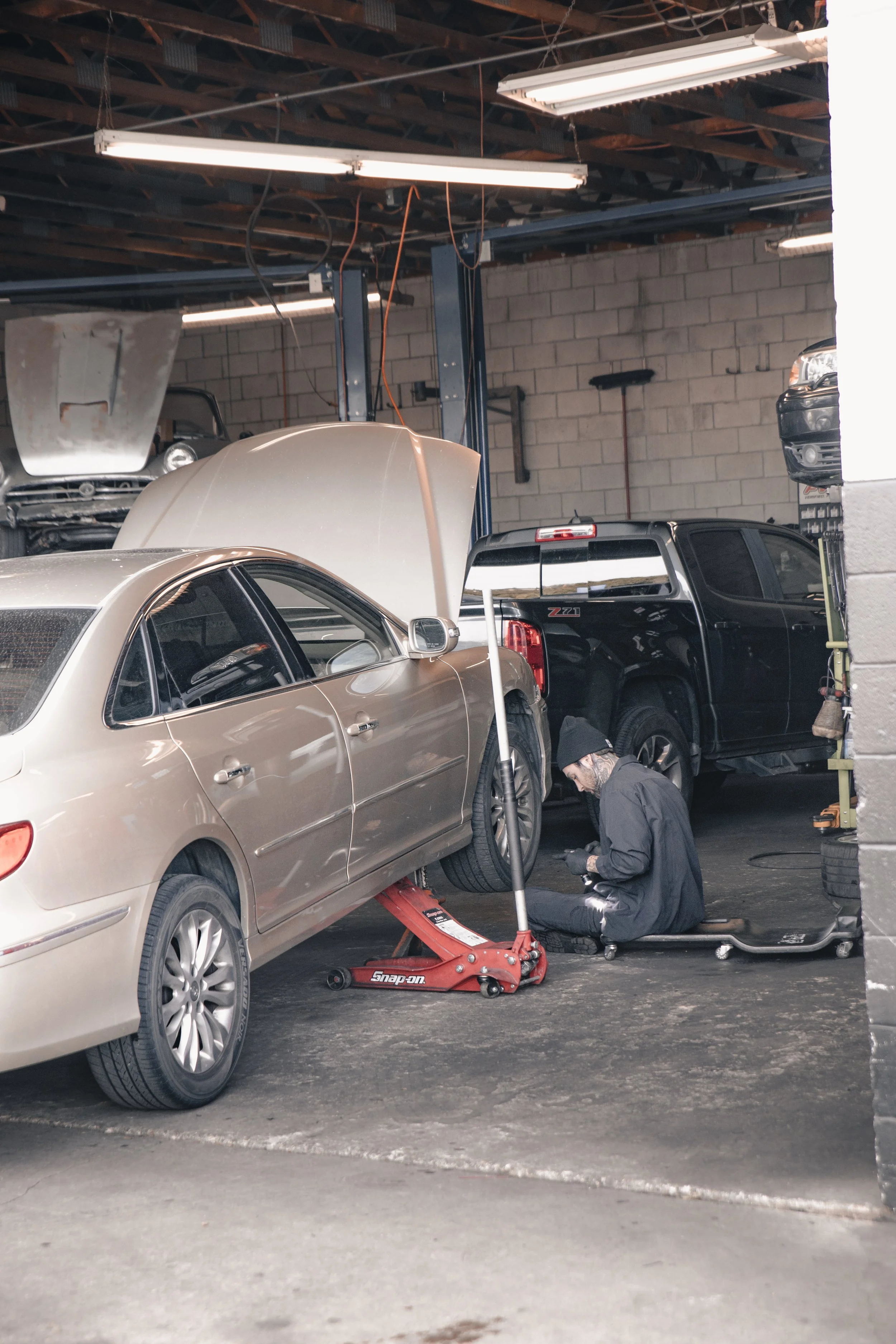
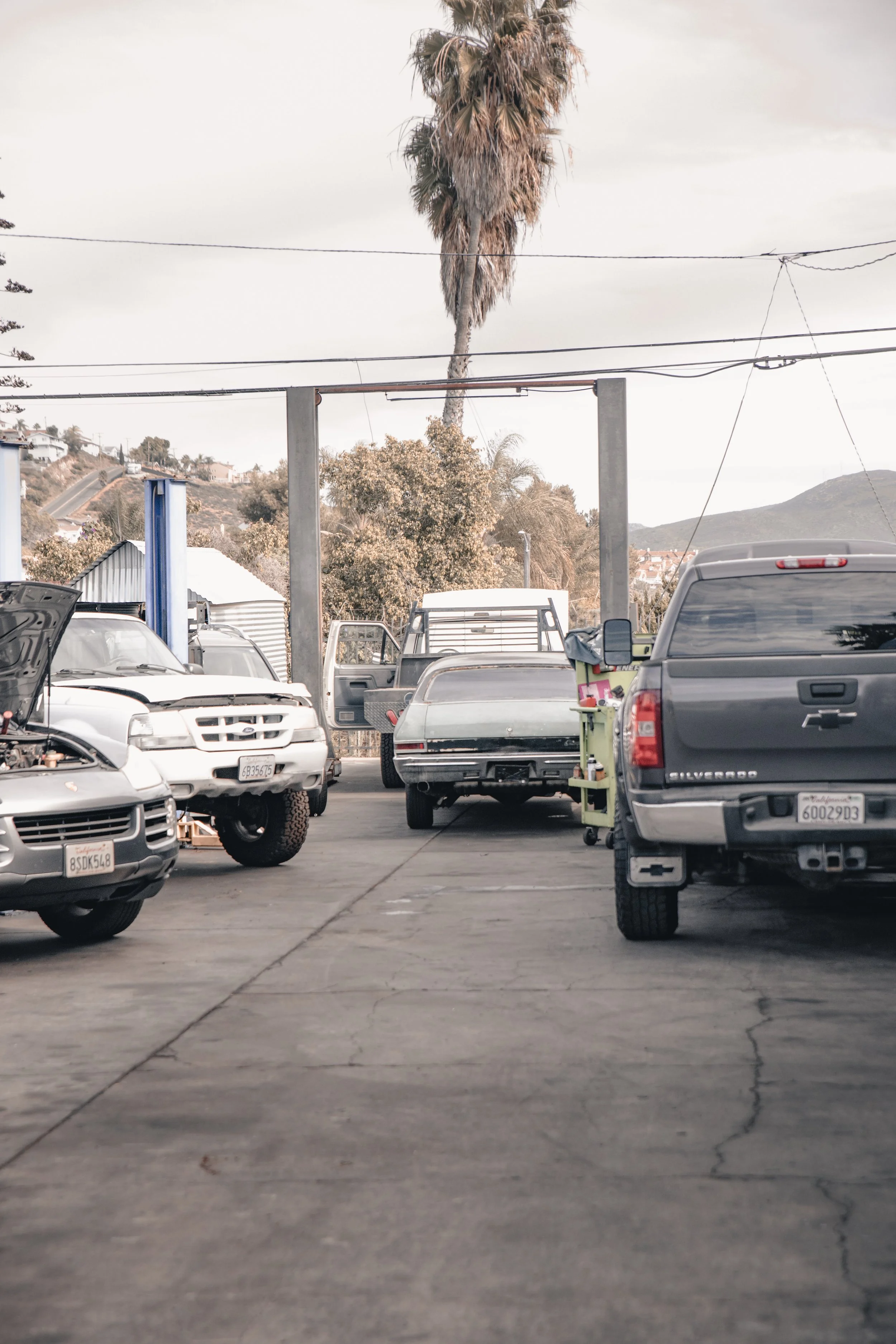
The shop does not specialize in only one brand or platform. Instead, they routinely handle:
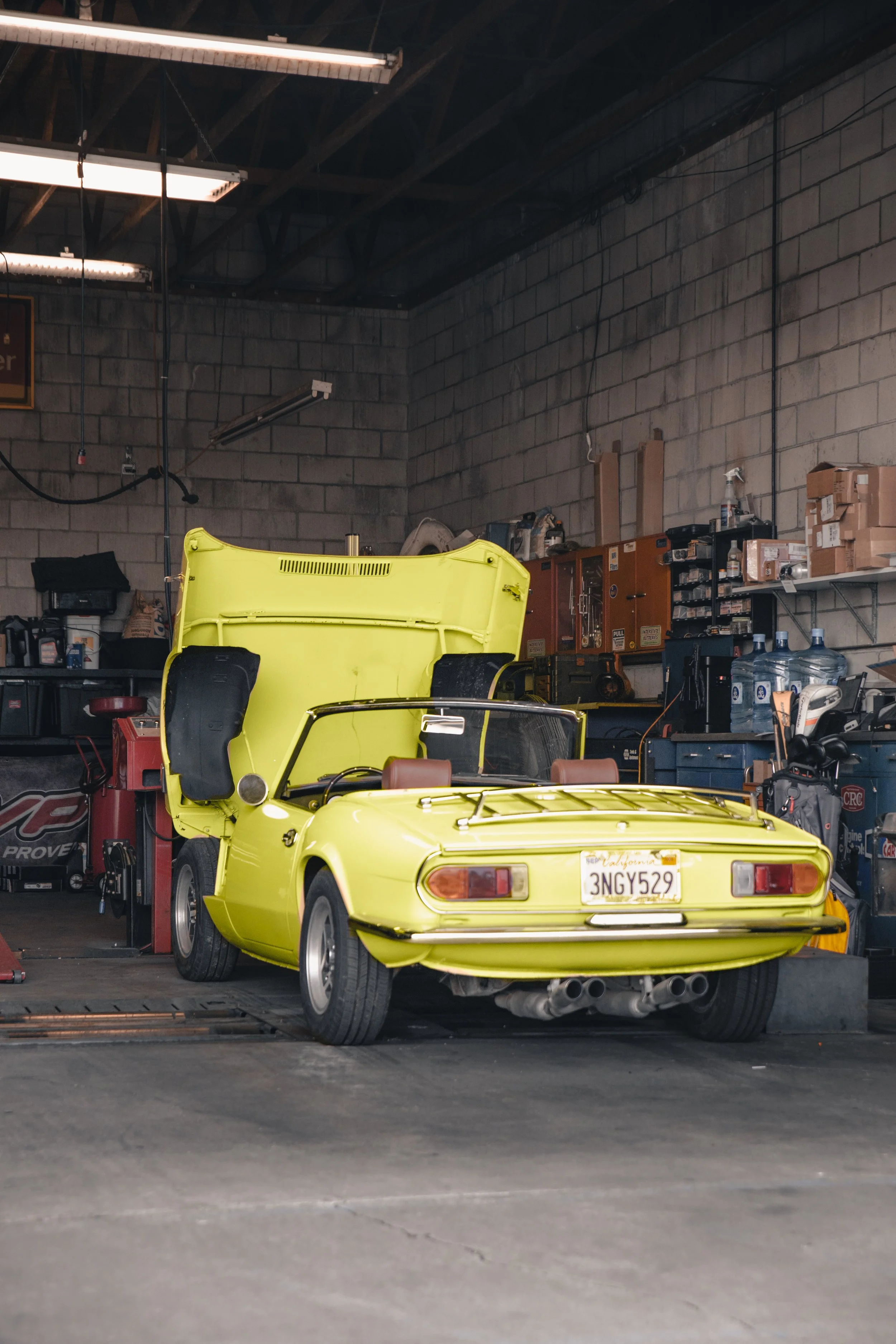
Classic American vehicles needing restoration or diagnosis
Older cars with drivability issues (example discussed: an ’86 Ford running rich)
Modern vehicles requiring maintenance and fluid service
General mechanical troubleshooting across all vehicle ages
Their philosophy is simple: if a customer brings a problem, they work to solve it — regardless of make, model, or era.
Mechanical Philosophy
Performance Specialties operates from a problem-solving mindset rather than a brand bias.
Key themes from the interview:
No single “problem car” pattern — issues vary widely
Mechanical fundamentals still matter most (fueling, fluids, wear components)
Customer service is treated as part of the repair process
Vehicles are evaluated individually rather than by reputation
This approach makes the shop approachable for both collectors and daily drivers.
Advice for New Enthusiasts
When discussing first enthusiast vehicles, Ed emphasized practicality over hype.
General guidance from the shop:
Choose vehicles with manageable maintenance demands
Simpler electronics often make ownership easier
Reliability and parts availability matter more than image
Japanese platforms often make strong entry points for new owners due to durability and value retention
Interestingly, Ed personally appreciates vehicles like the Lexus LS430 and drives a manual IS300 — reflecting a balance between comfort and driver engagement.
Why the Community Recommends Them
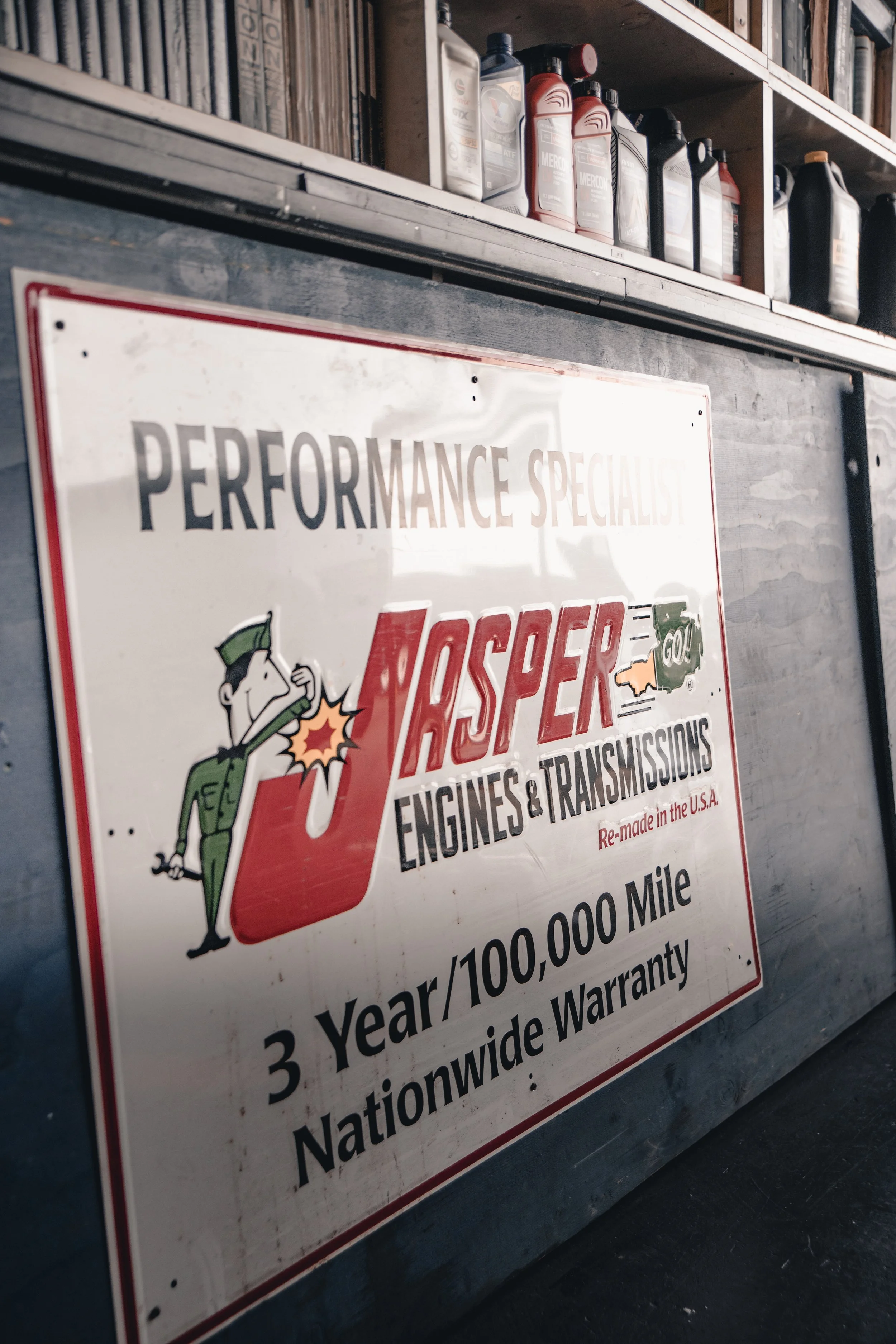
The shop’s reputation isn’t built on marketing — it’s built on consistency.
Community trust comes from:
Long operating history
Transparent pricing
Willingness to work on anything
Word-of-mouth recommendations from local groups
Strong online review presence
This is the type of shop enthusiasts describe as “someone you can actually talk to.”l the difference.
What Stands Out From the Visit
Two things defined the interview experience:
Unexpected access to ownership perspective — hearing both management and ownership views revealed how aligned the team is operationally.
Mechanical realism — no performance hype, no trend chasing, just long-term vehicle stewardship.
The shop feels less like a specialty boutique and more like a pillar of the local automotive ecosystem.
Best Fit For
Performance Specialties is a strong match if you:
Own or are restoring a classic American vehicle
Need experienced mechanical diagnosis
Prefer relationship-based service
Want a long-standing, community-trusted shop
Value practical advice over trend-focused modification culture
Builder Community Value
For enthusiasts in San Diego, shops like this represent an important layer of infrastructure — places that preserve older vehicles, support long-term ownership, and maintain mechanical knowledge across generations of cars.
That continuity is becoming increasingly rare.